Key Takeaways
Banco do Brasil invested $5M in a Citi digital note via Euroclear, accelerating cross-border transactions.This Latam-first blockchain move bypasses traditional steps, setting a foundation for new trading models.By embracing this decentralized system, the bank could spur wider institutional adoption of digital notes.
Banco do Brasil Pioneers Institutional Investment in Blockchain-Based Note
Latam has been open to digital assets for some time, and now institutions are following suit as investors.
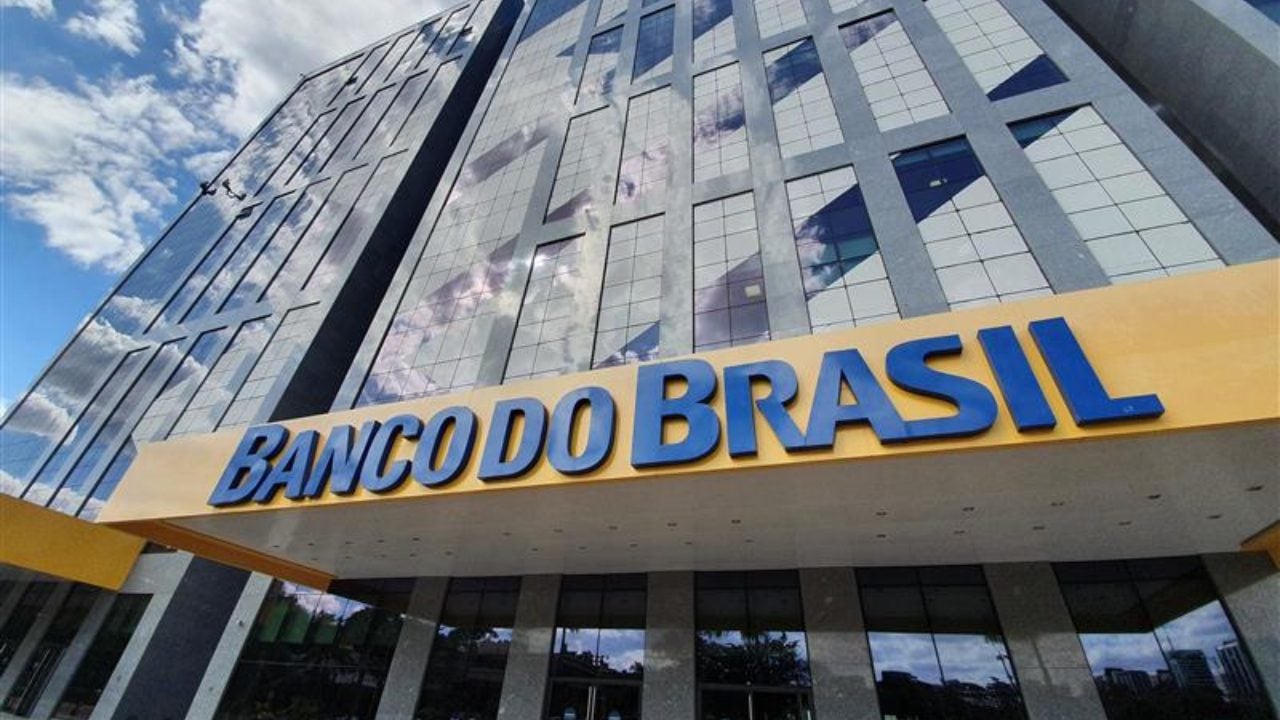
On September 1, Banco do Brasil (BB), Brazil’s oldest bank, announced its participation as an investor in the issuance of a Digital Native Structured Note issued by Citigroup using Euroclear’s Digital Financial Market Infrastructure (D-FMI) platform.
The investment, valued at $5 million from the bank’s proprietary treasury, is the first of its kind in Latam and shows the advantages that blockchain-based alternatives offer over traditional note issuance procedures, enabling quick cross-border investments even for institutional customers.
BB declared that the investment is consistent with the bank’s commitment to “innovation and monitoring the transformations that have been shaping the future of the sector,” acknowledging that the technology allows for the “native digitization of assets, reducing operational steps, increasing transaction traceability, and laying the foundation for new trading, settlement, and asset management models.”

Franscisco Lassalvia, Vice President of Wholesale at Banco do Brasil, highlighted the relevance of implementing decentralized digitization tech in financial markets, pointing out that it has become a long-term structural trend, not just a fad.
“Initiatives like this contribute to building the standards, governance, and infrastructure that can sustain a new generation of digital assets, increasing market efficiency and promoting innovation with security and operational robustness,” he stated.
Roksolana Dushynska, Variable Income Structuring Manager for Global Market Issuance Equity Structuring (Citi), doubled down on the significance of this shift to digital decentralized operations.
“The use of Distributed Ledger Technology (Distributed Ledger Technology) in capital markets is resulting in greater efficiency, transparency and accessibility for investors, and we remain committed to leading the development of new and transformative models that drive global financial markets,” she noted.
While BB has been involved in some anti-crypto controversies in the past, it has recently shown openness to experimenting with decentralized systems, participating in the pilot phase of Drex, the Brazilian central bank digital currency (CBDC), by proposing an offline payments option.
The move by a BB, which is publicly traded but owned primarily by the Federal Government, could spur adoption of digital notes for upcoming transactions.