Key Takeaways
Apple temporarily removed Telegram before contacting the company, Durov said.The Telegram CEO linked the incident to a takedown extortion campaign.Edited old messages allegedly helped attackers conceal prohibited material.
Durov Describes the Attack Behind Telegram’s Removal
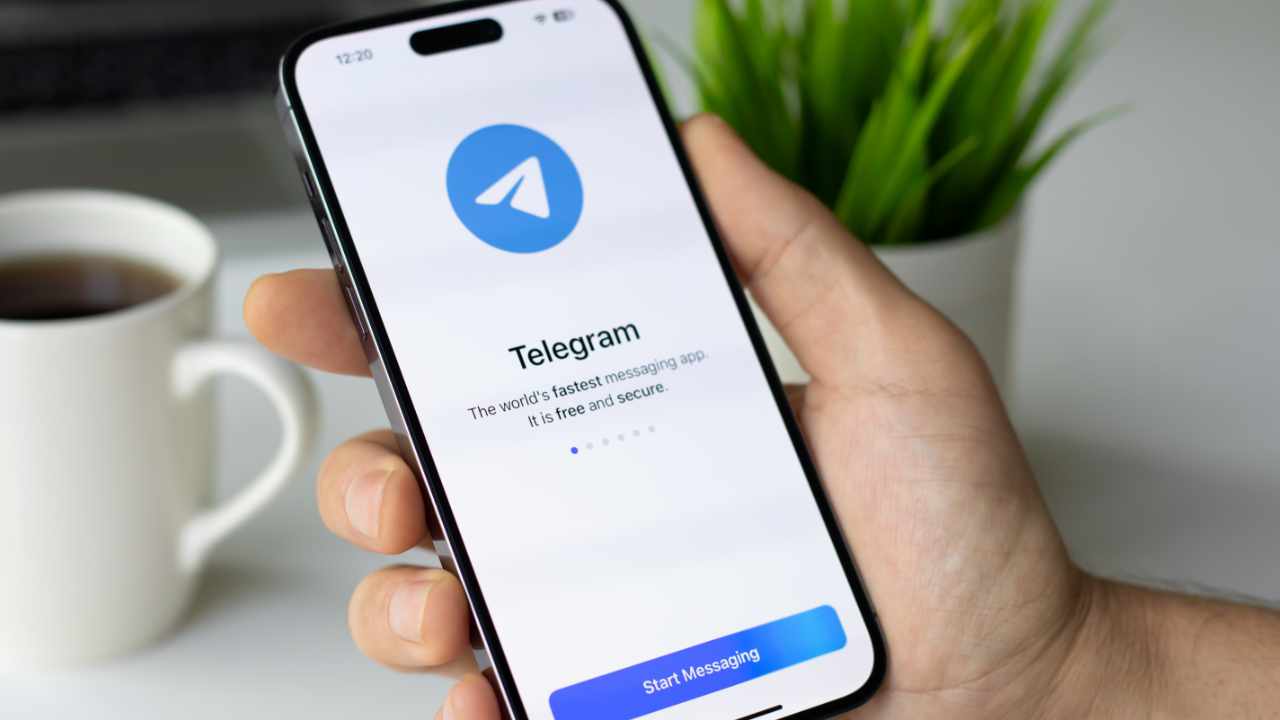
Telegram founder and CEO Pavel Durov described the incident on X on Aug. 4, reporting that an attacker inserted illegal material into a public group. Durov attributed Telegram’s temporary App Store removal to an alleged extortion campaign targeting community owners who refused ransom demands.
According to Durov, the attacker edited an older message inside an active group and inserted AI-modified illegal pornography that members were unlikely to notice. The backdated placement effectively concealed the material from participants, limiting opportunities for ordinary users to see, flag, and report the prohibited content through Telegram’s moderation channels.
Durov stated:
“These extortionists use automated accounts to plant illegal content in public groups and then report it directly to Apple, attempting to trigger the removal of legitimate communities whose owners refused to pay them.”
Apple Policies and Telegram’s Response
Apple requires services hosting user-generated content to filter objectionable material, provide reporting tools, block abusive users, and publish accessible contact information. Apple’s App Store Review Guidelines for user-generated content also permit removal without notice when applications become primarily associated with pornography, anonymous abuse, physical threats, bullying, or other prohibited activities.

Durov warned:
“Extortionists have found a way to manipulate Apple into overreacting. Apple removed Telegram from the App Store before contacting us.”
Telegram’s History of Platform Pressure
Apple and Telegram have previously clashed over distribution controls, including Durov’s claims that Apple restricted certain Telegram updates following pressure from Russian authorities. Apple’s previous App Store restrictions affecting Telegram demonstrated how mobile-store decisions can influence access, feature availability, and communication services across large international user bases.
Durov has also faced mounting legal pressure in Russia after authorities reportedly placed him on a wanted list over terrorism-related allegations. The development marked another chapter in Telegram’s longstanding disputes with governments over content moderation, encryption, and compliance with official demands.
Growing Risks for Online Communities
Separate infrastructure disruptions have illustrated how technical failures can interrupt Telegram communities beyond mobile application stores and regulatory actions. Telegram’s temporary t.me domain suspension affected globally used public links, leaving Durov appearing surprised while users encountered problems reaching channels, groups, profiles, and shared posts.
Indian authorities have also examined username features on Telegram and Signal amid concerns about impersonation, fraud, and concealed identities. The notices illustrate growing government scrutiny of platform tools that malicious actors can use to imitate legitimate accounts and mislead users.
Telegram restored its App Store availability within hours, while Durov urged developers and community administrators to prepare for increasingly coordinated reporting attacks. The company’s next challenge will involve identifying concealed edits rapidly enough to prevent planted material from reaching external reviewers before moderators can remove it.